By Joohyun Oh
As a fashion bachelor’s degree graduate and a member of Gen Z, the generation that will help shape the future of the fashion industry, this article stems from a personal curiosity about how sustainable fashion is introduced to the next generation. Looking back at my university years, my awareness of sustainable fashion gradually grew through my studies, highlighting the role education can play in shaping perspectives on sustainability. This experience led me to explore how university education exposes students to sustainable fashion and how universities influence sustainability awareness within the fashion industry.
To mark GSFW’s 10th anniversary, this research examines how sustainable fashion is shaping the global fashion landscape today and how this growing influence may continue to impact future generations. Through this exploration, the article also seeks to identify more effective ways to strengthen awareness of sustainable fashion and emphasise its importance for the future of the industry.
- Sustainability in Fashion Education: How Universities Shape Awareness
[Photo by cottonbro studio]
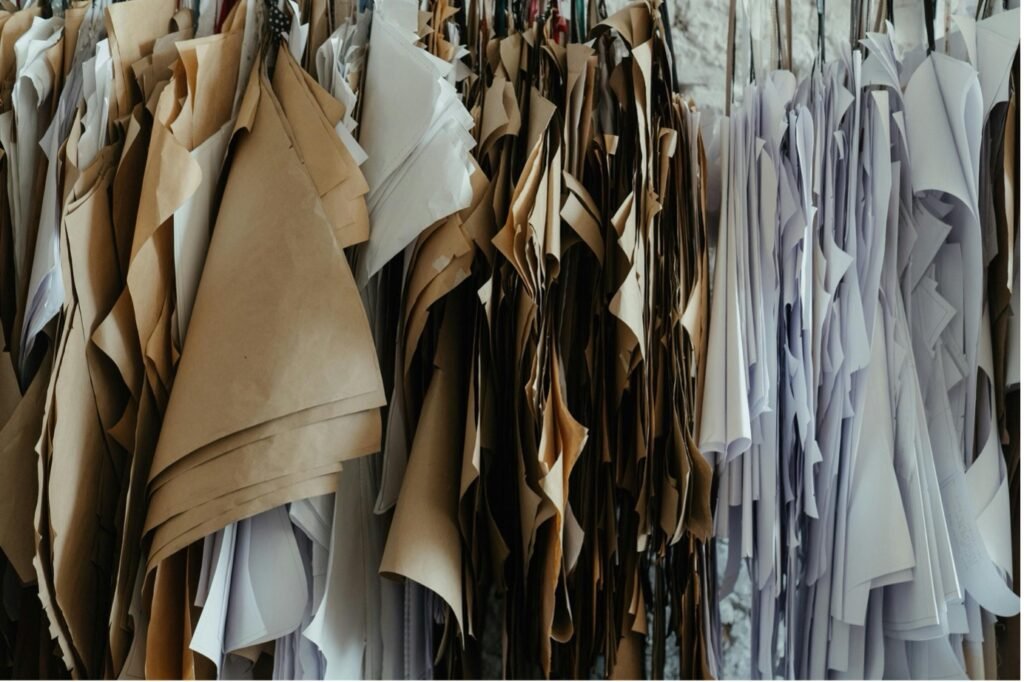
My alma mater: Nottingham Trent University, it is widely recognised for building sustainability into its fashion and textile courses, not as a separate subject but as an integral part of the design process. Students are encouraged to consider environmental and social impact through areas such as ethical sourcing, responsible production, and sustainable supply chains, often through industry-led projects that reflect real-world challenges. What distinguishes the university’s approach is its emphasis on experience over instruction.
Through hands-on projects, circular design practices, and initiatives such as upcycling and material experimentation, students naturally engage with sustainable fashion in both their studies and everyday university life. This approach allows sustainability to be understood not just as a concept, but as a lived and evolving practice.
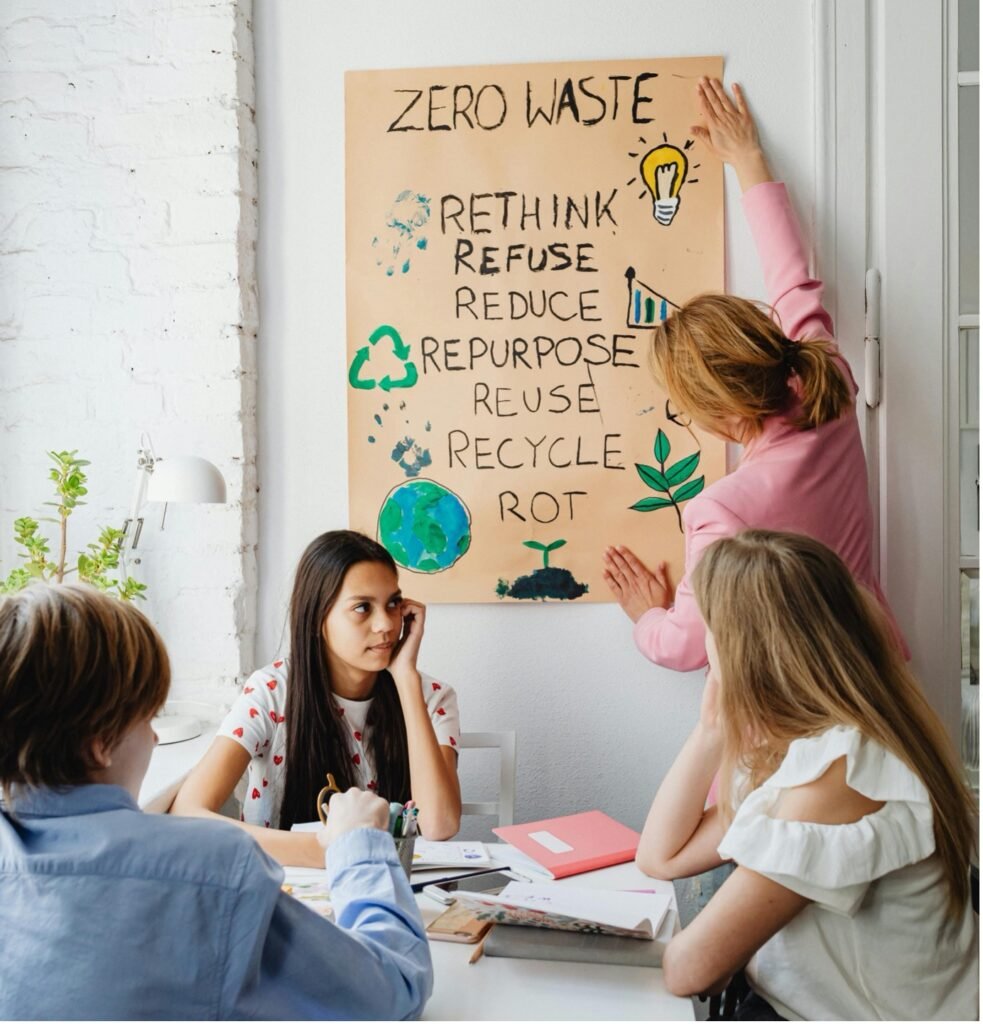
Through these experiences, my awareness of sustainable fashion naturally expanded. Engagement with zero-waste and material-conscious design, digital tools such as CLO3D and laser cutting, and textile processes including printing and dyeing encouraged a more critical and responsible approach to fashion. Shared fabric resources, where leftover materials were reused for toiles and prototypes, further reinforced sustainable practices intuitively.
[Photo by kaboompics]
Alongside this, an emphasis on future thinking prompted me to consider how environmental responsibility could be meaningfully embedded into my collections and research. Reflecting on this experience, it became clear that sustainable fashion isnot only emphasised within my own university, but are also increasingly recognised as important topics across other institutions. In conversations with fashion students across different disciplines, a clear pattern emerged: sustainability is becoming a natural part of their studies. Rather than being treated as a separate subject, it appears organically in discussions around design, responsibility, and the future of fashion, suggesting a wider shift across universities.
This change is also reflected in the way universities are evolving their approach to sustainable fashion. While sustainability was once integrated within broader fashion courses, it is now increasingly being developed as a specialised field of study in its own right. Universities are creating dedicated programmes that allow students to engage more deeply with sustainability, not only in design, but also across business, systems, and innovation. This reflects how sustainable fashion is no longer treated as an additional consideration, but as a central focus that requires its own space for research, experimentation, and critical thinking within fashion education.
This shift can be seen in a growing number of universities offering dedicated sustainable fashion programmes, such as:
Undergraduate programmes
- University of Leeds – BA Sustainable Fashion
- University of Chichester – BA Sustainable Fashion
- University of Southampton – BA Sustainable Luxury (Textiles)
- BSP Business and Law School – BA Sustainable Fashion Design and Management
- IED Barcelona – BA Sustainable Fashion
Postgraduate programmes
- Falmouth University – MA Sustainable Fashion
- University of Brighton – MA Sustainable Fashion Business
- Northumbria University – MA Sustainable and Ethical Fashion
- Istituto Marangoni – MA Sustainable Fashion & Systems
- Accademia del Lusso – MA Sustainable Fashion Design
- Sustainability Management School (SUMAS) – MA Sustainable Fashion Management
2. Sustainable Fashion and Its Growing Global Impact
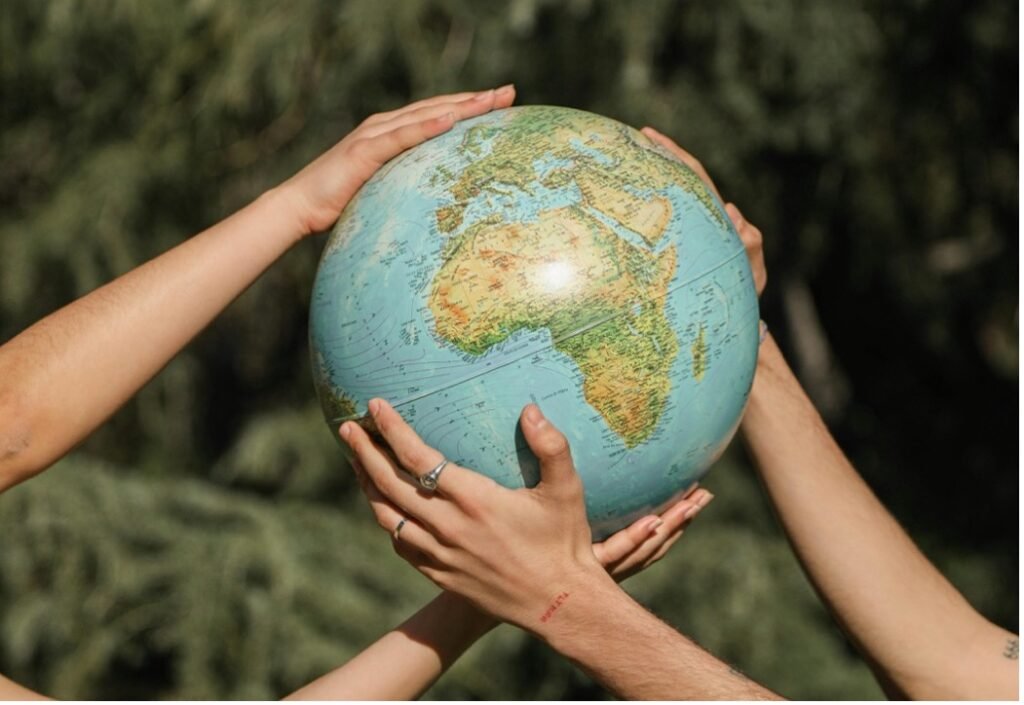
While my own perspective on sustainable fashion was shaped through studying fashion, conversations with other contributors involved in GSFW’s 10th anniversary revealed a broader range of entry points into sustainability. For some, it emerged through hands-on design practices and material choices; for others, it developed from academic disciplines such as science, or through community-led initiatives and personal lifestyle shifts. What became evident through these varied experiences is that sustainable fashion does not exist in isolation, nor does it solely create sustainability in itself. Rather, it is formed at the intersection of diverse backgrounds, values, and lived experiences that are already rooted in sustainability. In this sense, sustainable fashion becomes a space where different perspectives converge, allowing individuals to shape their own authentic and evolving visions within a shared commitment to sustainability.
[Photo by Cup of Couple]
This also reflects a wider shift happening across the global fashion industry. As sustainability becomes part of different people’s experiences and backgrounds, it is no longer seen as a separate idea within fashion, but something that naturally influences how the industry is evolving. From the way clothes are designed and produced to how they are consumed, sustainability is becoming a more everyday consideration. In this sense, its growing global impact is not only driven by industry changes, but also by individuals who bring their own values and perspectives into fashion. As these different experiences continue to connect, sustainable fashion develops as a shared movement, shaped by many voices but grounded in a common awareness of sustainability.
Celebrities & Public Figures
- Emma Watson: Shares the background of her outfits through social media and promotes initiatives such as #30Wears, while using red carpet appearances to highlight sustainable and upcycled fashion.
- Billie Eilish: Works with brands to develop more sustainable products and incorporates eco-conscious practices into her tours, using her global platform to raise environmental awareness.
- Olivia Wilde: Promotes second-hand fashion through campaigns such as “Choose Used” in collaboration with resale platforms, helping to normalise more conscious consumption.
- Gisele Bündchen: Advocates a more mindful lifestyle by encouraging repeated wear and connecting fashion with broader environmental activism.
- Stella McCartney: Leads a sustainability-driven brand focused on responsible materials and production, while collaborating with global companies to bring sustainable fashion into the mainstream.
Influencers & Digital Creators
- Aditi Mayer: Explores the intersection of fashion, labour rights, and environmental issues through visual storytelling and editorial content.
- Venetia La Manna: Challenges fast fashion through social media and public discussions, raising awareness of ethical production practices.
- Andrea Cheong: Promotes mindful consumption through accessible content such as “Mindful Monday,”guiding audiences towards more informed fashion choices.
Key Approaches
- Social media storytelling and transparency
- Campaigns promoting re-wear and second-hand fashion
- Public appearances as visual statements
- Brand collaborations to scale sustainable practices
Taken together, these shifts highlight how sustainable fashion is no longer confined to a single pathway, but is shaped through education, industry, and cultural influence simultaneously. As it continues to evolve across different platforms and experiences, the challenge is no longer simply raising awareness, but finding more effective and engaging ways to communicate its value.
In this context, initiatives such as GSFW’s EduPlatform present an opportunity to extend this dialogue further. By drawing on both academic approaches and real-world practices, it has the potential to make sustainable fashion more accessible, relatable, and widely understood. Ultimately, this reflects an ongoing effort to explore how sustainability can be more effectively shared not only within fashion, but across a broader global audience.
3. Shaping Future perspectives
Building on these observations, it becomes clear that sustainable fashion is no longer confined to education or industry alone, but is evolving through diverse experiences and global influences. This naturally leads to a broader question: how can this growing movement be communicated more effectively moving forward?
As sustainable fashion continues to expand beyond traditional boundaries, the ways in which it is shared and understood become just as important as the practices themselves. Exploring how this message is delivered whether through education, digital platforms, or cultural influence offers insight into how its impact can be further strengthened.
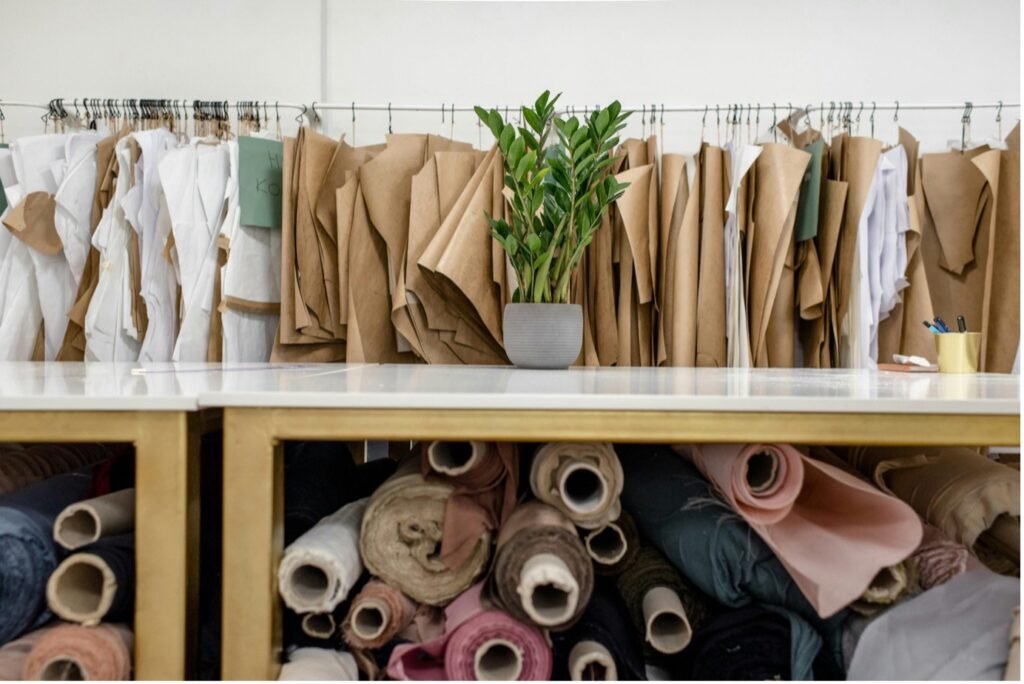
[Photo by Ksenia Chernaya]
At Global Sustainable Fashion Week (#GSFW), we are dedicated to making sustainable fashion accessible, actionable, and inspiring for people worldwide. Since 2015, #GSFW has become Central Europe’s leading sustainable fashion event, connecting designers, educators, experts, and audiences across the globe. Our initiatives extend beyond runway shows, placing equal emphasis on education, community engagement, and real-world sustainable practices.
GSFW Programs and Initiatives
GSFW EduPlatform
- A global educational platform providing online and on-site programs
- Led by sustainability experts and industry leaders
- Designed for young people, educators, and anyone interested in sustainable fashion
Key Topics Covered
- Environmental impact of textiles and fashion
- Hidden realities of fast fashion and multinational practices
- Circular, regenerative, and sustainable fashion
- Ethical fashion and fair trade
- Recycling, secondhand, and vintage fashion
- Preserving traditions and cultural values
- Digitalization and AI in sustainable fashion
Media and Digital Engagement
- Short social media videos showcasing sustainable fashion practices
- Podcasts featuring experts sharing ethical and circular fashion insights
Workshops and Events
- National roadshows with workshops, lectures, and roundtables
- Hands-on training sessions, creative projects, and courses
- Community events, family-friendly activities, and recycled fashion competitions
- Mini fashion shows and showcases highlighting sustainable design
10th Anniversary 2026
- Year-long celebration through the GSFW EduPlatform
- International Eco Fashion Show featuring sustainable clothing, jewelry, and accessories
- Global networking of designers, researchers, and sustainability experts
- Focus on scalable solutions and case studies to share with the global community
Through these programs, #GSFW is fostering a shared global movement where education, industry, and community converge. By making sustainable fashion approachable and engaging, we aim to empower the next generation of designers, consumers, and innovators to shape a fashion industry that is ethical, responsible, and truly sustainable.
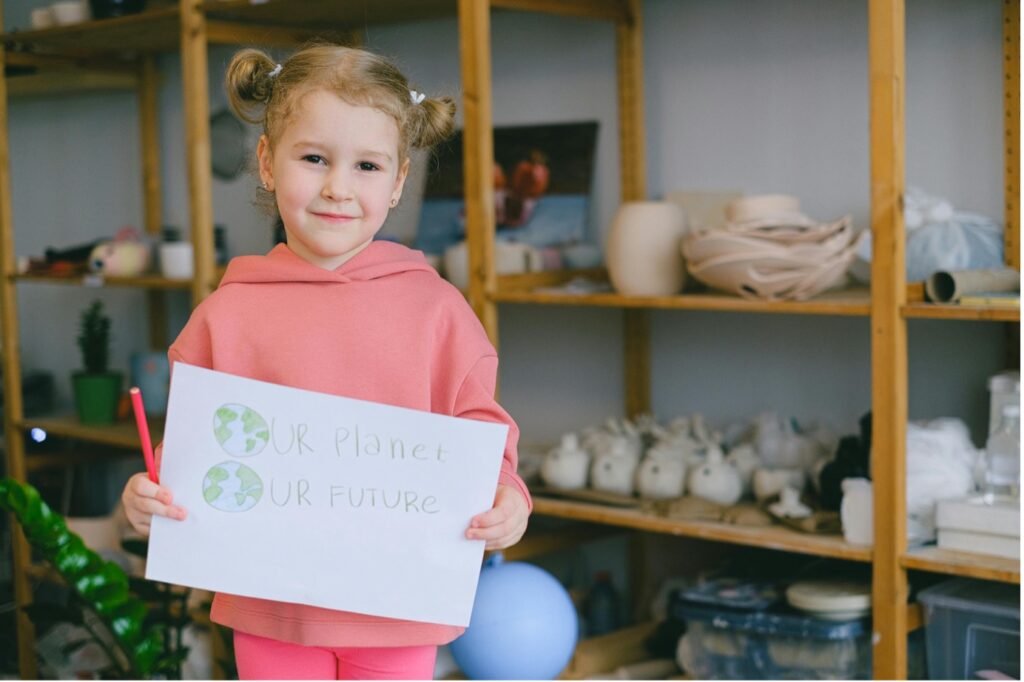
[Photo by Anna Shvets]
GSFW’s Mission
- Promote sustainable and ethical fashion worldwide
- Provide education and resources to youth, educators, and communities
- Facilitate collaboration between designers, researchers, and industry professionals
- Make sustainability in fashion practical, accessible, and actionable for everyone
An Open Question:
As we continue exploring how sustainable fashion is shared and understood, one question remains: what does “sustainable fashion” truly mean to each of us?
With multiple interpretations and approaches, this conversation is just beginning. It invites everyone, both within and beyond the fashion industry, to reflect on how they engage with sustainability in their own lives. It also encourages us to consider why sustainability is globally important, what responsibility we have to future generations, and how we can make thoughtful, ethical choices in fashion.
[REFERENCE]
https://efaarvintage.com/blogs/news/celebrities-who-love-upcycled-sustainable-fashion
https://earlygame.com/guides/entertainment/15-famous-celebrities-who-promote-sustainable-fashion
https://www.harpersbazaar.com.sg/jewels-watches/gisele-bundchen-iwc-interview
https://www.instagram.com/venetialamanna
https://www.instagram.com/andreacheong_
[LIST OF ILLUSTRATIONS]
Photo by Allison Saeng on Unsplash
Photo by cottonbro studio: https://www.pexels.com/photo/white-and-brown-paper-bags-4614197/
Photo by www.kaboompics.com: https://www.pexels.com/photo/teacher-behind-teenagers-working-on-project-7692646/
Photo by Cup of Couple: https://www.pexels.com/photo/people-holding-a-globe-6963622/
Photo by Ksenia Chernaya: https://www.pexels.com/photo/rolls-of-assorted-fabrics-and-textiles-and-sewing-patterns-inside-tailor-atelier-3965543/
Photo by Anna Shvets: https://www.pexels.com/photo/a-little-girl-holding-a-placard-11286183/