
By Pamela Vanessa Meixueiro Aguilar
Within the activewear industry, consumers are looking for more sustainable, high-performance textiles without sacrificing aesthetics. Among the materials gaining attention is wool and more specifically, Merino wool, a natural fiber obtained from Merino sheep, with Australia being the world’s largest producer. While traditionally associated with luxury or cold-weather fashion, this textile has grown in popularity within athletic apparel thanks to its breathability, moisture management, and odor-resistant properties. Comfort, performance, and sustainability combine to make this material a great alternative to synthetic fabrics.
How is wool taking the lead in activewear?
One of the most popular fibers nowadays is polyester, which accounts for more than half of the total volume and composition of modern apparel. As a synthetic textile derived from fossil fuels, microplastic shedding is a serious concern. During garment production, daily use, and laundering, microplastics are released into the environment and persist for extended periods. Research has demonstrated their existence in the human body and their disruption of biological systems. Due to these reasons, consumers are moving towards more natural alternatives.
This is where wool comes in. It has been around for centuries, and its use in sportswear is nothing new. In 2024, the Australian Wool Innovation funded research to showcase the many advantages this material offers for stop-go sports. Merino wool is lightweight, feels soft against the skin, and provides cooling or insulation depending on weather conditions. Its fibers absorb and release moisture vapor, regulating body temperature and maintaining comfort during physical activities.
Another major benefit is its natural resistance to odor. The structure of the fibers helps reduce the buildup of odor-causing bacteria, allowing garments to stay fresher for longer. Lastly, it offers natural protection against ultraviolet radiation, with an average UPF ranging from 20 to 50. Merino often exceeds 30UPF, making it especially valuable for prolonged sun exposure.
Activewear is no longer reserved for exercising. The rise of athleisure has transformed technical apparel into an everyday essential. Whether it’s a morning hike, a long run at the beach, a pilates class, or even working remotely, many people spend a significant portion of their day in athletic clothing. Consumers demand garments that look as good as they perform. Brands like Estroni and Lana Vello are proving that merino wool sportswear can be functional, stylish, and more sustainable. While 100% wool items are hard to find, many brands incorporate a blend with other natural fibers to enhance comfort and durability.
Wool´s Environmental Footprint
As mentioned before, microplastic pollution remains a major concern, and unlike synthetic textiles, wool does not release microplastics into the environment. However, it does shed natural microfibers that may eventually reach soil and marine ecosystems. The main difference here is that these fibers are biodegradable, and studies have shown that machine-washable wool biodegrades faster than untreated fabric.
Furthermore, wool garments are expected to be handled delicately, and shedding occurs less often. Lower temperatures are recommended for washing, and machine drying is generally avoided since high heat can cause shrinkage and felting. In addition, the time between washes may be extended thanks to its natural odor-resistant properties, resulting in less water and energy consumption. All this contributes to a longer product lifespan and increases the likelihood of reuse, repurposing, or recycling rather than disposal.
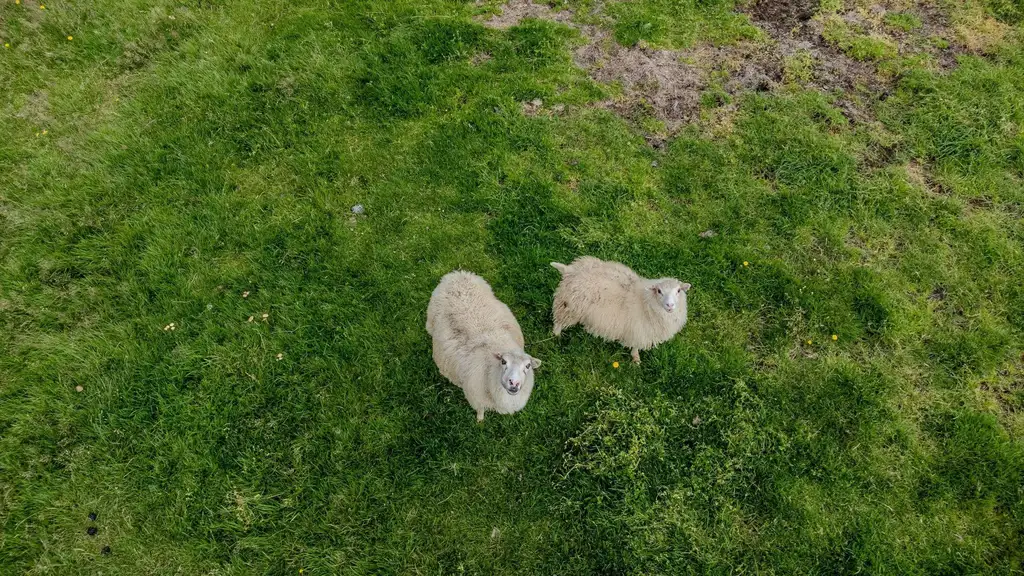
Of course, we cannot forget about the sheep that provide this natural fiber. According to Carbonfact, up to 75% of wool’s carbon footprint is associated with the animals themselves, which produce methane during digestion, the second largest greenhouse gas contributing to global warming. “The animal fiber industry produces around 35 million tonnes of CO₂e annually, with sheep wool contributing to nearly 98% of this total.”
So, is wool the perfect sustainable fiber? Not quite. It is definitely a great alternative and can help reduce today´s dependence on petroleum-based textiles.
The truth is, no material is 100% sustainable, and every option has its trade-offs. Ultimately, the decision falls to consumers. Choose wisely, educate yourself, and work with the world rather than against it. Sustainability in fashion is not about finding a perfect fabric, it is about making informed choices and understanding the impact behind the products we use every day.
Sources & Data
All environmental data are linked directly to their original reports within the article.