By Pamela Vanessa Meixueiro Aguilar
Microplastics are widely recognized pollutants that have infiltrated water, soil, and air. They are highly persistent and degrade very slowly, causing long-term contamination. A significant portion of these particles comes from synthetic textiles, representing 35% of the total volume of microplastics released into the environment. These fibers are mainly derived from petroleum, making them a practical and affordable option for clothing production. However, fabric production and use processes contribute to this pollution, including dyeing and finishing garments, as well as domestic washing and drying. It’s estimated that synthetic textiles release between 200,000 and 500,000 t of microplastics every year.
Microplastics have been scientifically proven to be present in the human body. When these particles are inhaled, they can affect the lungs and respiratory system. Similarly, when ingested through food or drinking water, they may contribute to potential health risks like intestinal damage or other congenital diseases. Absorption through skin contact is also a possible pathway for human exposure, leading to hypersensitivities or allergies.
Understanding how these particles end up in the environment is essential and especially helpful to reduce human exposure. One of the most significant pathways begins in an everyday activity: doing laundry.
From Laundry Washing to Polluting
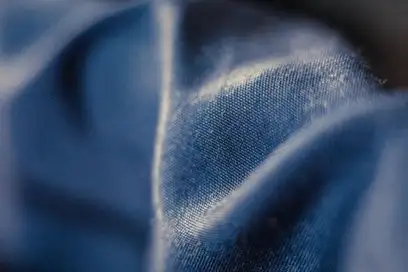
The amount of microfibers released by household laundry machines ranges from 124 to 308 mg per kg of washed fabric, primarily synthetic textiles including polyester, nylon, and acrylic, which constitute more than half of all garments globally
Because of their microscopic size, these particles aren’t well filtered and therefore end up easily in oceans.
During washing, clothing is exposed to both mechanical and chemical stress. Mechanical stress results from agitation and friction, which depend on factors like water volume, load volume, and spin cycles. When these forces are excessive, fiber fatigue develops, leading to further deterioration of textile structures.
In addition, chemical stress is present through detergents and softeners, which, although essential for cleaning garments, can be harsh on their fibers. Factors such as water temperature and composition can further intensify this effect. Over time, these conditions degrade fibers, causing yarns to detach from the fabric and contribute to the introduction of microplastics into the environment.
The resulting microfibers vary in length from 200 μm to 5000 μm and in width from 11 μm to 41 μm, depending on the type of textiles washed and the washing machine conditions. A delicate load, as its name suggests, is gentler on garments and could reduce the shedding compared to a regular or quick wash cycle.
How to reduce shedding?
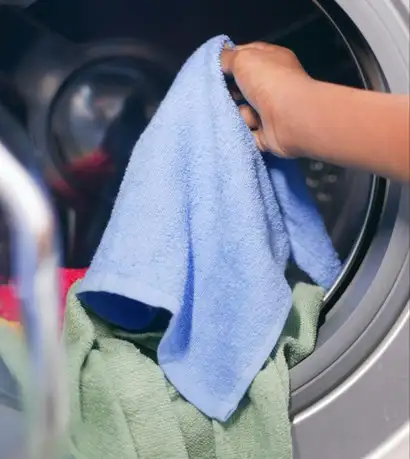
While completely replacing synthetic textiles with alternative or organic materials could reduce microplastic pollution, it would not eliminate microfiber shedding. Fibers can still detach from textiles during washing, drying, and everyday use. Therefore, behavioral changes should also be implemented to help reduce this release. Recommended washing conditions to minimize microfiber emissions include using a rotational speed of 1450 rpm, a cycle duration of 1.7 hours, a delicate cycle wash, and decreasing the number of washing cycles per week. Along with it, removing loose or protruding yarn before washing allows it to be disposed of in the trash instead of entering water systems.
Moreover, other reduction techniques for fiber emission can be incorporated during the textile production stage. For example, yarns can be treated with enzymes or coated to form a film on the fiber. This makes it more durable and resistant to shedding. Mechanical finishing processes such as singeing (burning off protruding fibers with an open flame) or calendaring (compressing the fabric under heated rollers) can also help strengthen the fabric and diminish the likelihood of shedding during washing.
Microfiber pollution consequences are more evident. From textile production to laundry washing, microplastics are released into the environment. A combination of improved textile engineering, responsible consumer behavior, and sustainable production systems should be implemented to eradicate them.
Sources & Data
All environmental data are linked directly to their original reports within the article.