By Pamela Vanessa Meixueiro Aguilar
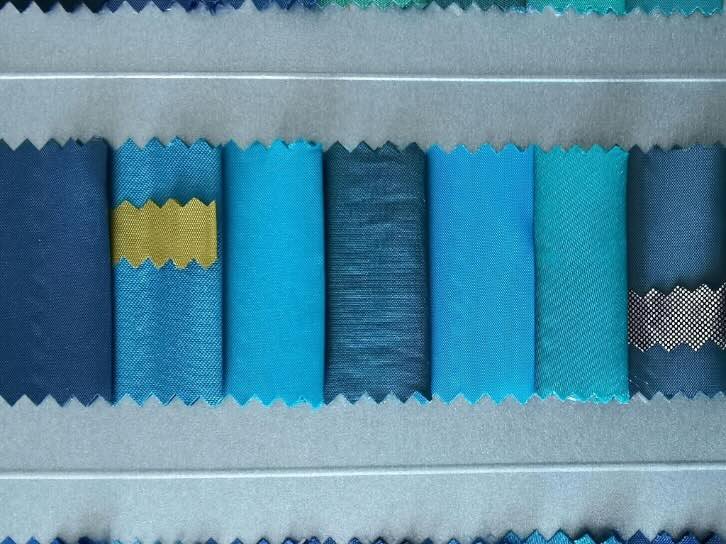
In the 1940s, polyester was created and introduced as a revolutionary plastic, quickly gaining popularity due to its low cost, and has since become one of the most widely used and produced synthetic fabrics in fashion. It accounts for 54% of all produced fibers and can be easily found on clothing labels as the sole material or in blends with other textiles.
These days, concerns about microfiber shedding and its negative environmental impact are growing. Fast fashion relies heavily on this textile, and the throwaway culture is only growing.
Polyester’s Footprint
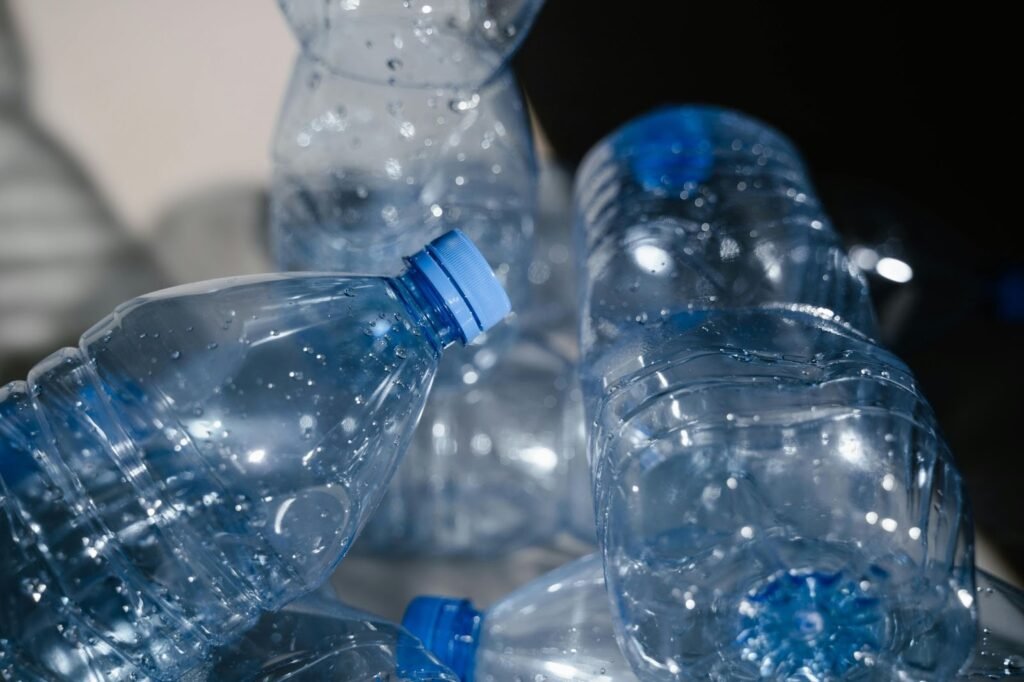
The first stages of polyester production begin with crude oil extraction and refining. The raw material is then transformed through chemical reactions to produce polyethylene terephthalate(PET). PET is widely known as a clear plastic, mostly used for its lightweight properties in food packaging and plastic bottles, but around two-thirds of the total production volume is used in polyester fibers. Once PET is produced, it undergoes extrusion and spinning, where the material is melted and spun into filaments that can be used to create fabric. Then, dyeing and finishing take place, and additives and chemicals are used to enhance its physical characteristics, resulting in a soft, flexible, and highly durable fabric.
Great quantities of energy are required for this process, approximately 125 MJ/kg polyester fiber, along with 27.2 kg CO2 eq/kg of greenhouse emissions for polyester woven fabric, and it varies depending on the characteristics of the final product. This indicates an extensive use of energy, much of which is derived from nonrenewable sources. Furthermore, in each stage, chemicals, dyes, and additives are used at nearly every stage, whether to refine the raw material(crude oil) or during finishing, and their disposal must be carefully managed. Poor residue management is one of the biggest environmental threats, allowing substances to enter waterways and soil and disrupting biodiversity. In many cases, these impacts are not visible to the consumer, making polyester appear more sustainable than it actually is.
Another concern is microfiber shedding. Yarn preparation, fabric production, garment manufacturing, use, and wash are the primary stages where this occurs. Microplastics are released into the environment, where they persist for long periods of time, affecting soil, water, and air quality. Additionally, with throwaway culture and fast fashion still dominant, used and even intact garments are thrown away in landfills, and their exposure to the weather conditions, such as sunlight, heat, and moisture, accelerates their breakdown, contributing to the continuing release of toxic substances and microparticles.
Active change
New techniques are emerging for recycling materials or developing greener, biodegradable options. For example, a 2025 study demonstrated polyester waste can be recycled and turned into composite panels for building applications. Unfortunately, only post-industrial textile was used for this work, but post-consumer textile waste should be explored next to reduce landfill disposal. On the other hand, the generation of biobased polymers is evolving, lowering carbon emissions by 82% compared to petroleum-based PET. This is achieved through carbon sequestration, the process of capturing and storing CO₂ during plant growth to lower atmospheric levels.
Consumers are also a key part of this shift, being the first line of action in this routine to change fashion for the better. Implementing the R´s in sustainability, choosing quality over quantity, and being mindful of consumption in general are essential first steps. However, the textile industry must change on a larger scale, adopting cleaner additives and processes while reducing energy consumption, or transitioning to renewable energy practices.
Change in fashion starts with the changes we choose to make.
Sources & Data
All environmental data are linked directly to their original reports within the article.