
By Joohyun Oh
What Sustainability Means
Sustainability is more than a trend, it is a responsibility. According to myclimate.org, it involves using the Earth’s limited resources such as raw materials, energy, and human labour responsibly, ensuring they can be maintained over time rather than being used up. At its core, sustainability is about being mindful of future generations, often described as “intergenerational equity.”
This perspective is also reflected in the United Nations Sustainable Development Goals (SDGs), which recognise that environmental protection, economic development, and social well-being are closely interconnected. Together, these frameworks highlight sustainability as a shared global responsibility rather than a single environmental issue.
Why It Matters
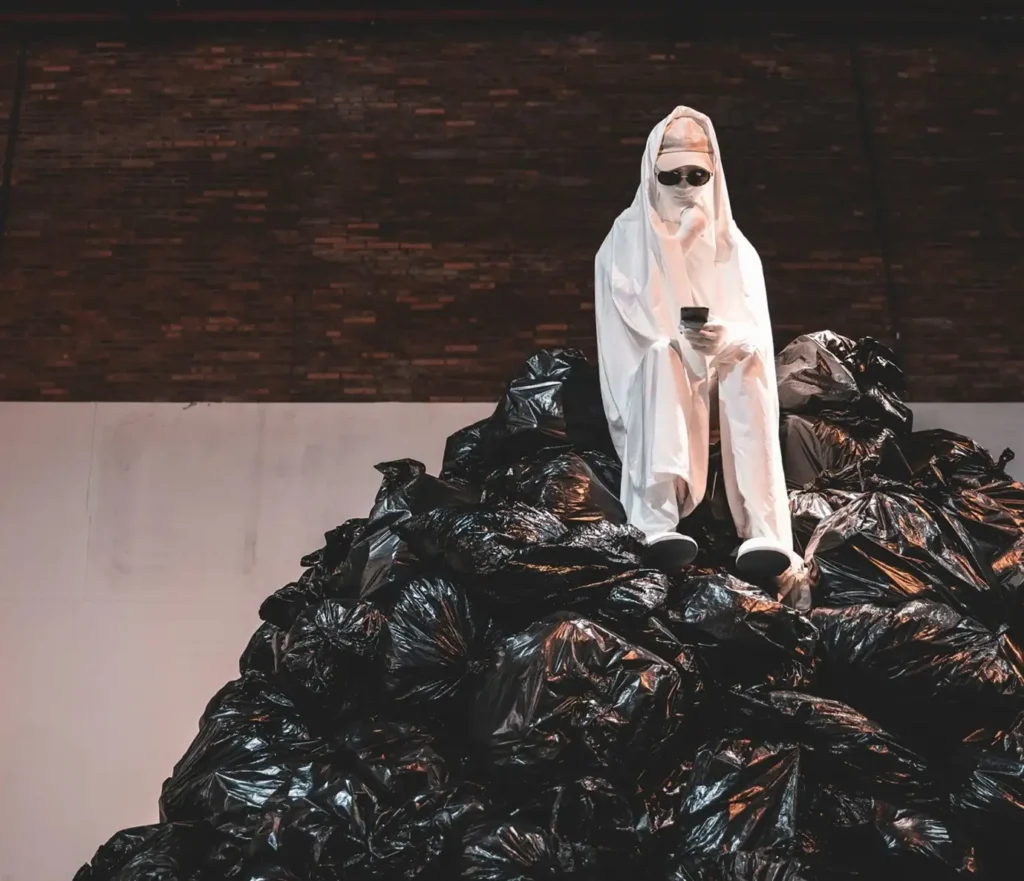
Sustainability is often understood through three interconnected dimensions: environmental, economic, and social. This perspective is commonly linked to the Brundtland Report (1987), which helped establish the idea that long-term development depends on balancing ecological protection, economic prosperity, and social well-being. It highlights that meaningful and lasting change cannot be achieved through isolated actions alone, but through recognising the interdependence of these dimensions.
How Fashion Can Respond
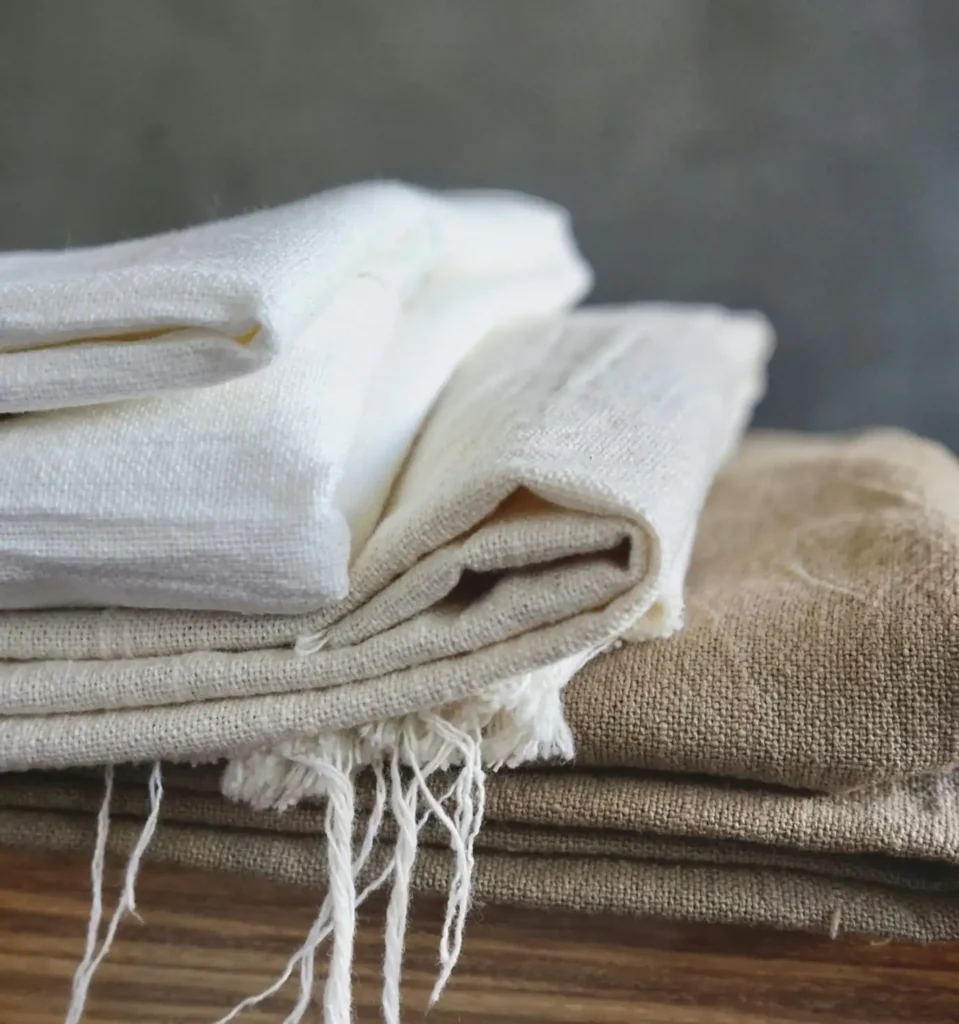
When applied to the fashion industry, this framework reveals both challenges and opportunities. Environmentally, fashion contributes to pollution, resource depletion, and textile waste. Economically, fast fashion prioritizes speed and low cost over long-term value. Socially, issues such as unfair wages and unsafe working conditions continue to persist. Examples of these challenges can be seen in the growing volume of discarded clothing, the environmental impact of synthetic fibres such as polyester, and ongoing concerns surrounding transparency within global supply chains.These interconnected problems show that sustainability in fashion requires a holistic approach rather than a single solution.
From Challenges to Action

At the same time, meaningful change is possible. Environmentally, circular design, sustainable materials, and waste reduction can minimize impact. Economically, shifting towards slower production and valuing quality over quantity can support more sustainable systems. Socially, transparency, fair wages, and ethical labour practices are essential in building a more responsible industry. Small actions such as mindful consumption, repairing garments, and supporting responsible brands can also contribute to this shift.
Ultimately, sustainable fashion is not about achieving perfection, but about continuous progress. It is an evolving process shaped by collective effort, innovation, and conscious choices. As we rethink how fashion is created and consumed, one question remains: how can we balance the needs of today without compromising the possibilities of tomorrow?
Reference:
https://www.myclimate.org/en/information/faq/faq-detail/what-is-sustainability
https://www.britannica.com/topic/Brundtland-Report
List of illustration:
Photo by Ron Lach: https://www.pexels.com/photo/a-woman-cover-with-dumped-clothes-8453661/
Photo by Yuyang Liu on Unsplash
Photo by Maite Oñate on Unsplash