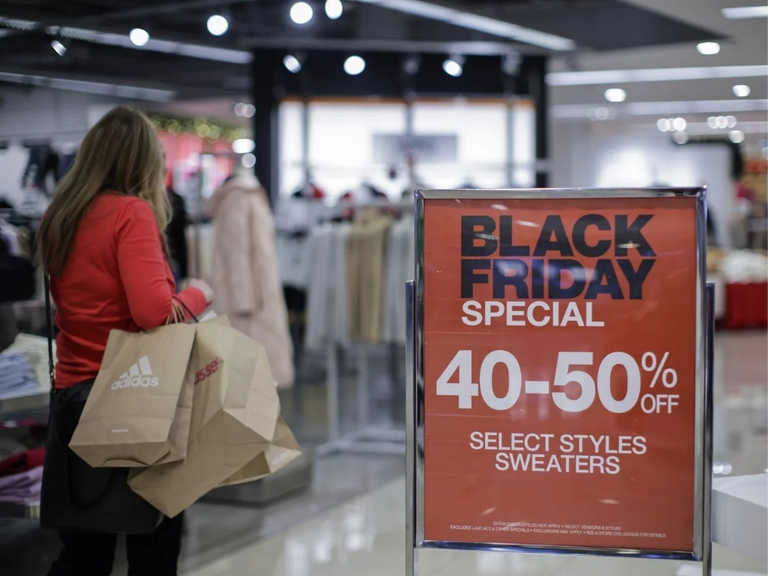
How the world’s biggest shopping event fuels overconsumption, textile waste, and the urgent need for more sustainable fashion.
Introduction: When Discounts Become a Dilemma
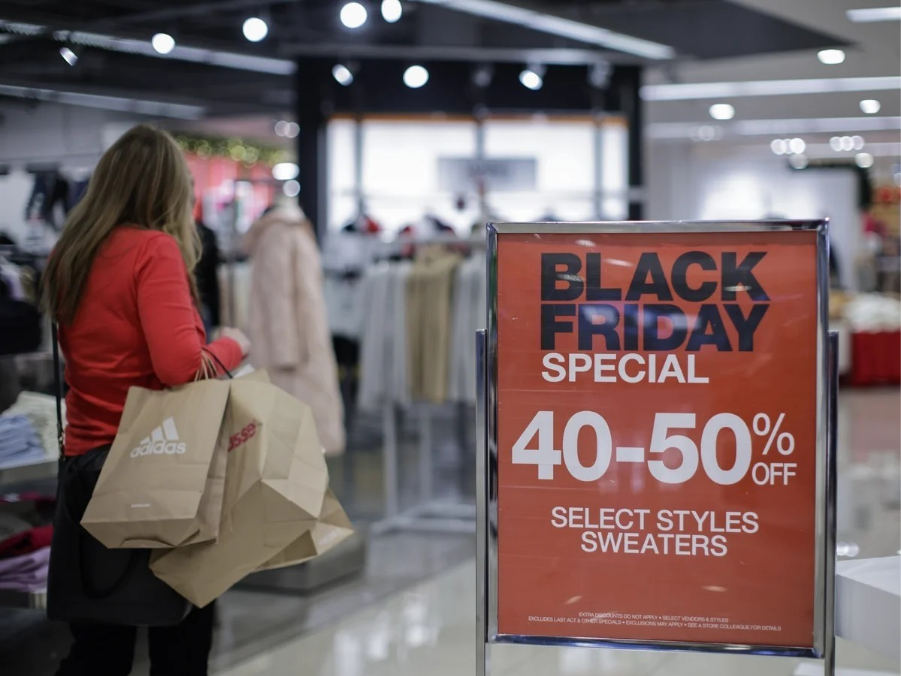
Every November, shop windows, websites, and social media platforms begin filling with familiar promises: massive discounts, limited-time offers, exclusive collections, and irresistible deals. Black Friday, once primarily associated with American retail, has evolved into a global shopping phenomenon that influences consumer behaviour across fashion markets worldwide.
For the fashion industry, Black Friday presents an opportunity to attract customers, clear inventory, and generate revenue before the holiday season. For consumers, it offers the chance to purchase desired items at reduced prices.
Yet beneath these attractive discounts lies a more complicated reality: the environmental and social consequences of encouraging people to buy more clothing than they actually need.
Fashion is already facing significant challenges related to overproduction, resource consumption, textile waste, and working conditions throughout global supply chains. Black Friday can intensify these problems by promoting speed, volume, and low prices rather than durability, responsible production, and long-term value.
According to the United Nations Environment Programme (UNEP), the textile sector accounts for an estimated 2–8% of global greenhouse gas emissions. This highlights the importance of reconsidering consumption patterns during major shopping events.
The question is not simply how much consumers save during Black Friday, but what the planet, workers, and the fashion industry may ultimately pay for those savings.
The Rise of Black Friday in the Fashion Industry
Black Friday traditionally takes place on the Friday following Thanksgiving in the United States. Over time, retailers have expanded the event beyond a single day, introducing week-long promotions, early-access sales, and Cyber Monday offers.
Online shopping has further transformed Black Friday into a global retail event, making discounted products accessible to consumers across international markets.
Fashion brands are among its most visible participants. Clothing, footwear, handbags, accessories, and seasonal collections are frequently promoted through substantial discounts. Social media influencers, fashion creators, and digital advertising campaigns contribute to the excitement, encouraging consumers to refresh their wardrobes and follow emerging trends.
From a business perspective, discounts can help retailers attract new customers and sell existing stock. They can also benefit consumers who use sales to purchase essential products that would otherwise be unaffordable.
However, the sustainability challenge begins when discounts encourage unnecessary purchases without consideration of quality, usefulness, or environmental impact.
Buying a winter coat that is genuinely needed at a reduced price is very different from purchasing several inexpensive tops simply because they are on sale.
Black Friday is not inherently unsustainable. Its impact depends on the production systems behind the products, the purchasing decisions it encourages, and what happens to those products after they have been bought.
The Fast Fashion Connection: More Clothes, Shorter Lifespans
Fast fashion operates through rapidly changing trends, frequent product releases, and relatively low prices. While this model has made fashionable clothing more accessible, it has also encouraged a culture of frequent purchasing and replacement.
Black Friday fits naturally into this system.
When already inexpensive garments become even cheaper, consumers may feel encouraged to purchase larger quantities, experiment with short-lived trends, or buy items simply because the discount appears too good to miss.
This creates a cycle in which retailers anticipate demand, manufacturers produce garments, brands promote discounts, and consumers continue purchasing new products.
The United Nations Environment Programme has highlighted the wider consequences of increasing clothing production and declining garment use. Between 2000 and 2015, clothing production doubled while the average duration of garment use decreased by 36%, according to findings from the Ellen MacArthur Foundation cited by UNEP.
These patterns demonstrate a broader problem within the fashion industry: clothing is increasingly treated as disposable rather than as something designed to be valued and worn for years.
Black Friday can reinforce this mindset by shifting attention away from the question, “Will I wear this regularly?” towards “How much money will I save if I buy it now?”
The challenge is not simply the number of garments sold during a promotional event, but the wider consumption culture that makes frequent replacement seem normal.
The Environmental Cost of Black Friday Fashion
Greenhouse Gas Emissions
Clothing production requires energy throughout multiple stages, including fibre production, spinning, weaving, dyeing, finishing, garment manufacturing, and transportation.
The environmental impact of each garment varies depending on its materials, production methods, energy sources, and supply chain.
When Black Friday promotions generate additional demand that leads to increased production, they can contribute to higher greenhouse gas emissions.
Online shopping introduces further considerations. Packaging, transportation, expedited deliveries, and product returns all have environmental impacts, although their significance depends on the delivery system and consumer behaviour.
Not every Black Friday purchase creates an entirely new environmental burden. Some discounted products are existing inventory that retailers would otherwise struggle to sell.
Nevertheless, unnecessary consumption that stimulates additional production remains a significant sustainability concern.
Reducing unnecessary purchases and extending the lifespan of existing garments can help address these impacts.
Water Consumption and Chemical Pollution
Water is an essential resource throughout textile production, particularly in cotton cultivation, fabric processing, dyeing, and finishing.
The fashion industry can also contribute to water pollution when wastewater containing dyes and processing chemicals is not adequately treated.
These environmental pressures are particularly concerning in manufacturing regions already experiencing water scarcity or insufficient wastewater treatment infrastructure.
Black Friday does not directly cause these problems. However, promotional campaigns that encourage increased clothing production can reinforce resource-intensive manufacturing practices.
A garment may appear inexpensive at checkout, but its retail price does not necessarily reflect the environmental resources consumed during its production.
Textile Waste and Unsold Clothing
Textile waste remains one of the fashion industry’s most persistent challenges.
Garments may be discarded because they are damaged, no longer fashionable, poorly fitted, or simply unwanted. Others remain unsold and become excess inventory.
Synthetic fabrics can release microfibres during washing and use, while garments made from blended materials can be particularly difficult to recycle because their components are challenging to separate.
Depending on local waste-management systems, unwanted clothing may be resold, exported, downcycled, recycled, incinerated, or sent to landfill.
Black Friday can contribute to this problem when consumers purchase garments they rarely wear or when increased demand encourages excessive production.
However, unsold inventory and unwanted consumer purchases are different issues requiring different solutions.
Brands need better inventory management, responsible production planning, and improved product design. Consumers can contribute by purchasing thoughtfully, maintaining their garments, and extending their useful lives.
Packaging and Delivery Waste
The environmental footprint of online fashion shopping extends beyond the garments themselves.
Orders often arrive in cardboard boxes, plastic mailers, protective wrapping, and other packaging materials.
During major shopping events, increased parcel volumes can generate additional packaging waste.
Returns can create further transportation and handling requirements, particularly when products cannot easily be resold.
Fashion businesses can address these challenges through appropriately sized packaging, recyclable materials, consolidated deliveries, and clearer product information that reduces unnecessary returns.
However, improvements in packaging alone cannot compensate for a business model built around encouraging excessive consumption.
Preventing unnecessary waste remains more effective than managing it after it has been created.
The Human Cost Behind Cheap Fashion
Sustainability is not only an environmental concern. It also involves the people who grow fibres, manufacture textiles, produce garments, and work throughout the fashion supply chain.
Demand for inexpensive clothing can place significant pressure on suppliers to produce large quantities within short deadlines and at increasingly competitive prices.
Depending on purchasing practices and labour protections, this pressure can contribute to excessive working hours, low wages, unsafe working conditions, and other labour-related challenges.
These conditions are not universal across every manufacturer or fashion brand. A discounted garment does not automatically indicate unethical production.
However, aggressive pricing strategies make transparency and responsible purchasing practices especially important.
Consumers rarely see the people behind a garment when browsing online sales. Product descriptions may highlight the original price, discount, colour, and size while providing little information about manufacturing conditions.
This raises an important question: can clothing truly be considered affordable if its low price depends on environmental damage or unfair working conditions?
Responsible fashion requires more than sustainable materials or attractive marketing campaigns. It also depends on fair wages, safe workplaces, reasonable production schedules, and accountability throughout the supply chain.
The Psychology of Discounts: Why We Buy More Than We Need
Black Friday is not simply a shopping event. It is also a powerful example of consumer psychology.
Discounts influence how people perceive value.
A garment reduced by 50% may appear to represent a significant saving, even if the consumer had no intention of purchasing it before seeing the promotion.
Limited-time offers create urgency. Countdown timers, low-stock notifications, and phrases such as “last chance” can encourage shoppers to make quick decisions.
Social media strengthens this effect.
Influencers share shopping hauls, fashion creators promote trending products, and personalised advertisements repeatedly introduce consumers to items matching their interests.
Together, these messages can create the impression that constantly acquiring new clothing is a normal part of participating in fashion culture.
However, there is an important difference between saving money and spending less.
Purchasing an unnecessary item at a discount does not automatically represent a financial saving. The consumer still spends money on something that may remain unused.
Similarly, a discounted garment is not more sustainable simply because it costs less.
Its environmental impact depends on how it was produced, how frequently it is worn, how long it lasts, and what happens at the end of its useful life.
Recognising these psychological influences does not mean placing all responsibility on consumers.
Retailers deliberately design promotional campaigns to encourage purchasing, while financial circumstances, social expectations, and access to affordable, durable clothing also influence individual choices.
Understanding these factors can help consumers make more considered decisions and encourage brands to adopt responsible marketing practices.
Can Black Friday and Sustainable Fashion Coexist?
Although Black Friday is frequently associated with overconsumption, it does not have to be entirely incompatible with sustainability.
The challenge is to reconsider what the event promotes.
Instead of focusing exclusively on selling more products at lower prices, fashion businesses can use the occasion to encourage durability, repair, reuse, transparency, and responsible purchasing.
Several approaches offer alternatives to conventional promotional strategies.
Repair Instead of Replace
Fashion brands can encourage customers to repair existing products rather than automatically replacing them.
Repair services, replacement components, and garment-care guidance can extend the useful lives of clothing, footwear, and accessories.
For example, footwear brand VEJA operates its Clean, Repair, Collect initiative, offering repair and maintenance services designed to extend the lifespan of footwear.
By making repair more accessible, brands can challenge the assumption that a product loses its value once it becomes worn or damaged.
Promote Second-Hand and Resale Fashion
Second-hand clothing provides an alternative to purchasing newly manufactured garments.
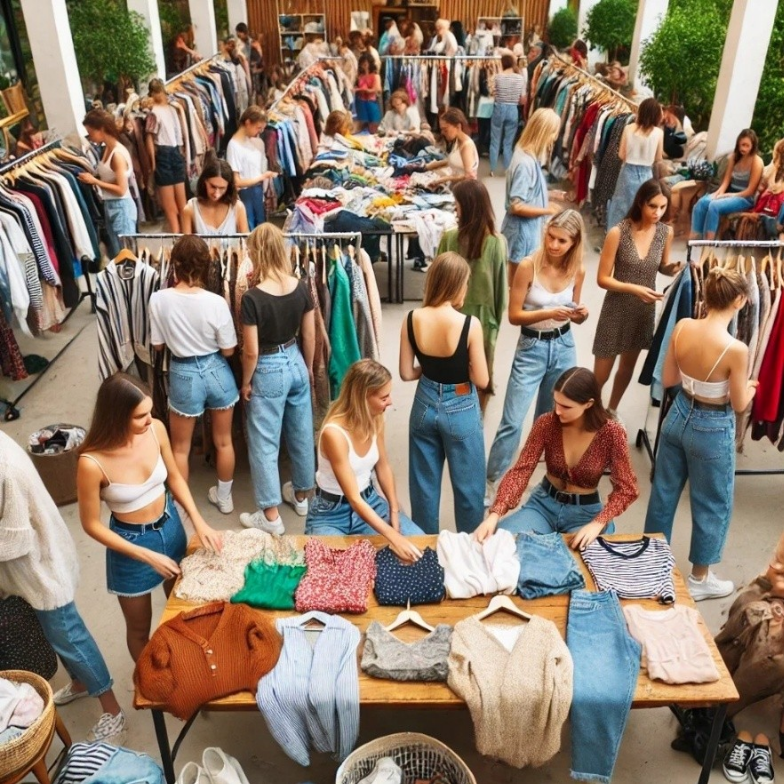
Vintage stores, resale platforms, and clothing exchanges can help keep existing products in circulation for longer.
Brands can support these systems through resale programmes, take-back initiatives, and partnerships with organisations specialising in garment reuse.
However, second-hand shopping is not automatically sustainable if it becomes another form of excessive consumption.
Its greatest benefit comes when pre-owned purchases replace the need for new production and the garments are worn for a meaningful period.
Encourage Clothing Rental and Swaps
Clothing rental can be useful for occasions such as weddings, formal events, and celebrations, when an outfit might otherwise be purchased for only one or two uses.
Clothing swaps allow people to exchange garments they no longer wear for items better suited to their needs.
Both approaches can help extend garment use and potentially reduce demand for new production.
However, their environmental benefits depend on factors such as transportation, cleaning, garment durability, and how frequently items are used.
Offer Thoughtful Discounts
Discounts themselves are not necessarily the problem.
They can help consumers access necessary products and allow businesses to sell existing inventory.
More responsible promotional strategies could prioritise durable products, provide transparent information about materials and manufacturing, and avoid encouraging consumers to purchase unnecessary quantities.
The aim should be to make responsible purchasing easier rather than using sustainability-themed marketing to disguise overconsumption.
Support Circular Fashion
Circular fashion aims to keep products and materials in use for as long as possible.
It prioritises durability, repair, reuse, resale, and recycling where appropriate.
Achieving a circular textile system requires cooperation between designers, brands, manufacturers, policymakers, waste-management organisations, and consumers.
Black Friday could provide an opportunity for businesses to promote these practices rather than measuring success exclusively through increased sales.
What Fashion Brands Can Do Differently
Meaningful progress requires changes across the fashion industry, not simply changes in individual shopping habits.
Brands influence what gets produced, how products are marketed, how long garments last, and what happens to unsold or returned merchandise.
Improving demand forecasting and inventory management can help businesses align production with realistic customer demand.
Designing for durability, repairability, and versatility can also extend product lifespans.
Material selection is another important consideration. Brands should evaluate the environmental and social impacts of their materials and production methods rather than relying on broad sustainability claims.
Supply-chain transparency is equally essential.
Companies should provide clear information about sourcing, manufacturing conditions, and environmental performance wherever reliable evidence is available.
Marketing strategies also need to evolve.
Sustainability campaigns should not simply attach environmental language to conventional sales tactics. Claims about recycled materials, reduced emissions, ethical production, or circularity should be specific, verifiable, and supported by evidence.
Businesses can also reconsider how they measure success.
Alongside revenue and sales figures, they could evaluate garment longevity, repair uptake, resale performance, waste reduction, and improvements in labour conditions.
Together, these measures can help shift the industry towards a model in which commercial success is not dependent solely on continually increasing the volume of new clothing sold.
How Consumers Can Shop More Sustainably During Black Friday
Consumers do not need to abandon fashion or avoid every sale to make more responsible purchasing decisions.
A few practical habits can help reduce unnecessary consumption.
- Make a shopping list before browsing. Identify what you genuinely need and establish a budget before promotional messages influence your decisions.
- Check your wardrobe first. You may already own something that serves the same purpose as the item you are considering purchasing.
- Prioritise quality and durability. Examine materials, stitching, construction, care instructions, and whether a garment will remain useful beyond the current trend cycle.
- Consider second-hand alternatives. Explore vintage shops, resale platforms, and clothing exchanges before purchasing newly manufactured products.
- Avoid impulse purchases. Give yourself time to consider whether an item is genuinely necessary, rather than responding immediately to limited-time offers.
- Think about long-term use. Ask yourself how frequently you will wear a garment and whether it can be styled with items you already own.
- Support responsible brands. Look for companies that provide credible information about their manufacturing practices, labour conditions, and environmental commitments.
- Care for what you already own. Repair damaged garments, follow appropriate washing instructions, and consider alterations before replacing clothing.
The purpose of sustainable shopping is not to eliminate personal style or enjoyment.
It is to encourage a more thoughtful relationship with clothing, where purchasing decisions are based on usefulness, quality, and long-term value rather than temporary excitement.
The Indian Fashion Industry: A Different Perspective
Although Black Friday originated in the United States, its influence has expanded into international retail markets, including India.
Online marketplaces, international fashion brands, and digital marketing campaigns have introduced more consumers to November promotional events.
India offers an interesting perspective on this development because of its substantial textile and garment industry, rich craftsmanship traditions, and longstanding practices of repairing, reusing, and repurposing clothing.
Tailoring, mending, passing garments between family members, and transforming existing textiles into new products have historically been practical ways of extending the lives of clothing.
These traditions provide valuable lessons for contemporary sustainable fashion.
At the same time, India’s textile industry faces challenges related to resource-intensive manufacturing, textile waste, pollution, and the management of discarded garments.
Addressing these issues requires investment in responsible production, effective waste-management infrastructure, and collaboration across the supply chain.
Indian fashion businesses have opportunities to combine traditional craftsmanship with contemporary approaches to sustainability.
Upcycling, made-to-order production, local manufacturing, durable design, repair services, and resale initiatives can all contribute to a more responsible fashion economy.
Rather than simply reproducing the high-volume consumption patterns associated with global fast fashion, promotional campaigns could highlight craftsmanship, product longevity, and responsible sourcing.
This approach demonstrates how cultural knowledge and modern business practices can work together to support a more sustainable future.
Rethinking the Future of Black Friday
The debate surrounding Black Friday reflects a larger question about the future of fashion: should success be measured by how much clothing is sold, or by the value that clothing provides throughout its lifetime?
For decades, fashion has often associated novelty with desirability.
New collections, changing trends, and frequent promotions encourage consumers to connect personal expression with acquiring something new.
Sustainable fashion challenges this assumption.
It recognises that style does not necessarily depend on constant purchasing and that well-designed garments can remain valuable long after their initial sale.
Some fashion businesses are already exploring alternatives to conventional Black Friday promotions through repair services, resale initiatives, environmental campaigns, and circular business models.
However, isolated initiatives are not enough.
Long-term progress requires changes to production volumes, purchasing practices, product design, labour conditions, and textile waste-management systems.
Governments and industry organisations also have an important role in improving environmental standards, strengthening worker protections, and ensuring that sustainability claims are credible.
Consumers can contribute by supporting responsible businesses, prioritising durability, and questioning whether every discount represents an opportunity that must be taken.
The future of Black Friday will depend not only on the deals retailers advertise, but also on the values the fashion industry chooses to promote.
Conclusion: The Best Deal May Be Buying Less
Black Friday highlights one of fashion’s greatest contradictions.
Clothing allows people to express identity, creativity, and individuality, yet the systems used to produce and sell it can generate significant environmental and social costs.
Discounts can make necessary purchases more affordable, but they can also encourage unnecessary consumption.
Fast fashion offers accessible styles, yet excessive production and short garment lifespans create serious sustainability challenges.
Online shopping provides convenience, but packaging, transportation, and returns also require responsible management.
The solution is not to declare every Black Friday purchase harmful or suggest that sustainability depends entirely on individual restraint.
Instead, the fashion industry must reconsider its relationship with volume, speed, and disposability.
Brands need to take responsibility for how they design, produce, market, and manage their products. Policymakers must support effective standards and infrastructure. Consumers can make more deliberate choices by prioritising durability, repairing what they own, and exploring reuse wherever practical.
Black Friday does not have to disappear for fashion to become more sustainable.
However, its purpose could evolve from encouraging people to acquire more towards helping them make better use of what already exists.
Perhaps the most meaningful question to ask before purchasing another garment is not how much money the discount saves, but how much value that garment will provide over time.
Because the future of fashion should not be defined by how quickly we replace our wardrobes, but by how thoughtfully we create, wear, and preserve what we own.
References and Further Reading
- United Nations Environment Programme (UNEP). Minimizing fashion’s environmental footprint. UNEP Annual Report 2025.
https://www.unep.org/annualreport/2025/stories/minimizing-fashions-environmental-footprint
- United Nations Environment Programme (UNEP). Sustainable fashion to take centre stage on Zero Waste Day.
https://www.unep.org/en/news-and-stories/technical-highlight/sustainable-fashion-take-centre-stage-zero-waste-day
- United Nations Environment Programme (UNEP). Transforming the Textile Industry: Accelerating Action on Resource Use. October 2025.
https://wedocs.unep.org/handle/20.500.11822/48756
- VEJA. Cobbling and Alterations: Our Repair and Maintenance Services.
https://www.veja-store.com/en_gb/veja-repair.html
- Vogue. 5 Ways to Do Black Friday More Sustainably. 28 November 2024.
https://www.vogue.com/article/5-ways-to-do-black-friday-more-sustainably
- Good On You. Stop Before You Shop: The Issues With Black Friday and Cyber Monday.
https://goodonyou.eco/issues-with-black-friday/