By Anushree Singh
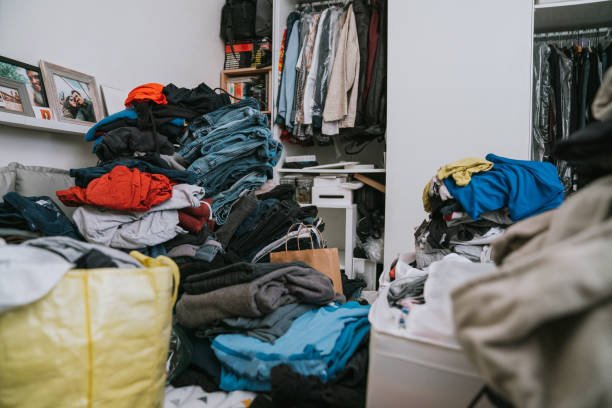
Imagine spending a significant amount of money on an outfit for a wedding, graduation, or special event, only for it to sit untouched in your wardrobe afterward. In an era where social media encourages fresh looks for every occasion, many consumers are questioning whether ownership is always necessary. As concerns about fashion waste continue to grow, clothing rental is emerging as a practical alternative that allows people to access fashion without adding more garments to already crowded closets.
Why Clothing Rental Is Gaining Popularity
The fashion industry is one of the world’s most resource-intensive industries. According to the United Nations Environment Programme (UNEP), the sector is responsible for significant greenhouse gas emissions and resource consumption throughout its supply chain. At the same time, consumers are purchasing more clothing than ever before, often wearing items fewer times before discarding them.
Clothing rental offers a different approach. Rather than purchasing a garment outright, consumers can temporarily access clothing for a specific event or period before returning it. This model has gained traction particularly among younger consumers who value variety, affordability, and sustainability.
The concept is especially popular for occasion wear, including weddings, formal events, parties, and graduations. Instead of purchasing an expensive dress or suit that may only be worn once, consumers can rent high-quality pieces at a fraction of the retail price.
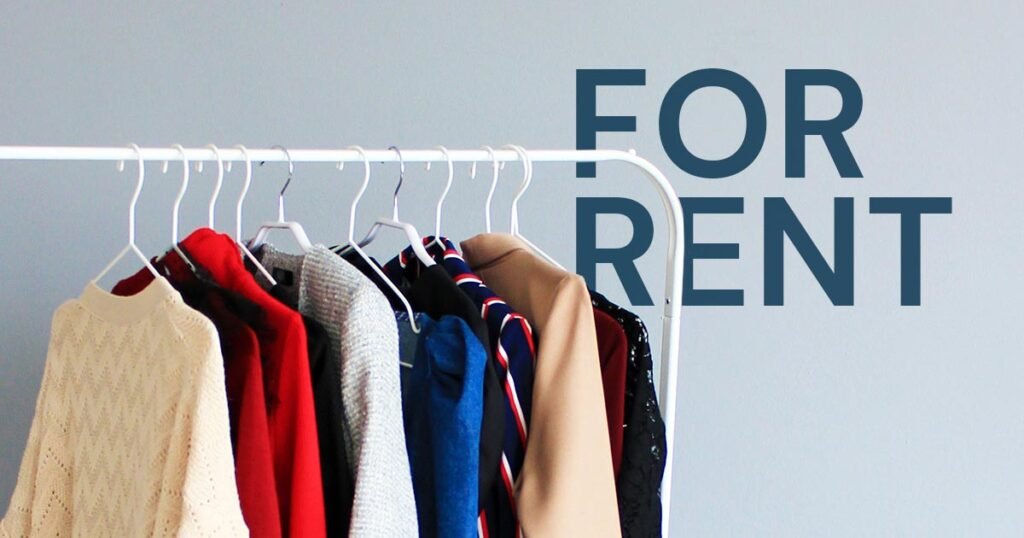
Photo by Truevo
A Growing Industry
The global clothing rental market has expanded rapidly in recent years. Rental platforms have benefited from changing consumer attitudes toward ownership, increased environmental awareness, and the influence of social media culture.
Companies such as Rent the Runway in the United States have demonstrated that consumers are willing to embrace access over ownership. Similar services are now appearing across Europe, Asia, and other regions, offering everything from luxury designer garments to everyday fashion subscriptions.
This shift reflects a broader trend within the circular economy, a model that aims to keep products in use for as long as possible through reuse, repair, and sharing rather than constant replacement.
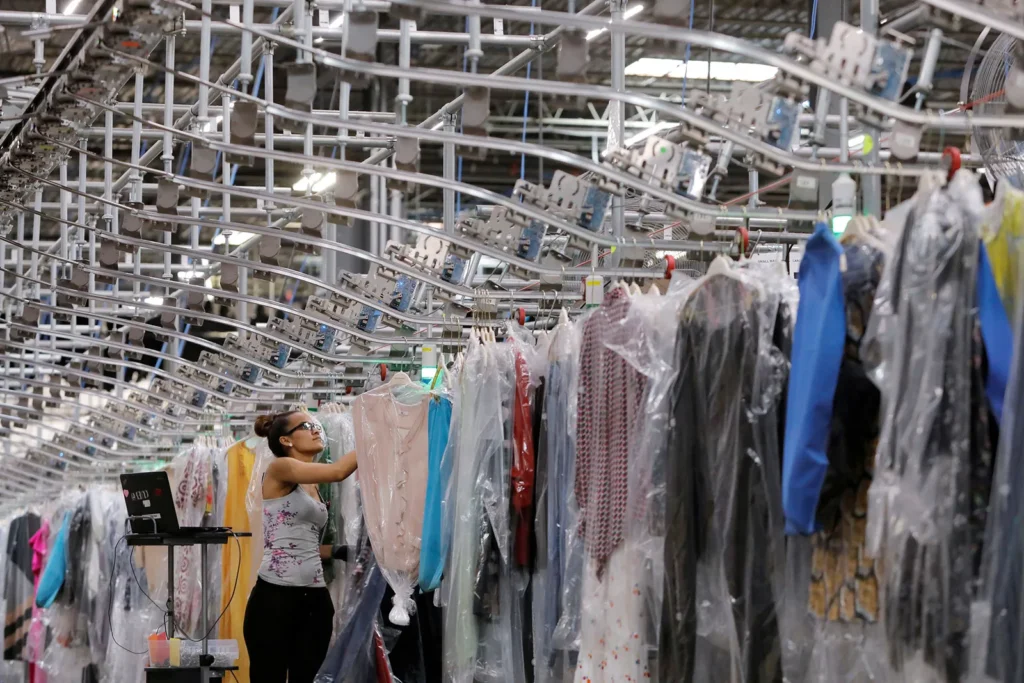
Photo by Andrew Kelly/Reuters
Environmental Benefits
One of the strongest arguments for clothing rental is its potential environmental benefit.
When a single garment is worn by multiple users instead of being purchased and discarded after a few uses, its overall utilization increases. This can help reduce demand for new production, lowering the consumption of raw materials, water, and energy.
Rental models may also reduce textile waste by extending the lifespan of garments. According to the Ellen MacArthur Foundation, increasing clothing utilization is a key strategy for reducing the environmental impact of the fashion industry.
While rental alone will not solve fashion’s sustainability challenges, it can contribute to a more circular system that prioritizes use over ownership.
Challenges and Limitations
Despite its promise, clothing rental is not a perfect solution.
Transportation and cleaning requirements can generate additional environmental impacts. Garments must often be shipped between customers and professionally cleaned after each use, which can increase energy and water consumption.
There are also practical challenges. Sizing inconsistencies, limited availability, delivery delays, and concerns about garment condition may discourage some consumers from renting.
Furthermore, rental services tend to focus on special-occasion clothing rather than everyday fashion. As a result, their impact on overall clothing consumption remains limited unless consumer habits change more broadly.
Critics also warn that rental can become another form of overconsumption if users constantly rent new outfits simply to keep up with social media trends.
What This Means for Brands and Consumers
For fashion brands, rental presents both an opportunity and a challenge. Companies can generate revenue from a single garment multiple times while appealing to sustainability-conscious consumers. At the same time, brands must redesign supply chains, improve garment durability, and develop efficient logistics systems to make rental economically viable.
Consumers, meanwhile, gain access to a wider variety of clothing without committing to ownership. Rental can reduce costs for occasional wear and encourage more thoughtful consumption decisions.
Governments and policymakers are also paying closer attention to circular business models as part of broader efforts to reduce waste and improve resource efficiency.
The Future of Fashion Access
As sustainability becomes a greater priority for both consumers and businesses, clothing rental is likely to play an increasingly important role in the fashion industry. Advances in logistics, digital platforms, and garment tracking technologies may make rental services more accessible and efficient.
However, the success of clothing rental will ultimately depend on consumer behaviour. Renting a garment instead of purchasing it can reduce unnecessary consumption, but only if it replaces a purchase rather than encouraging additional consumption.
Final Takeaway
The rise of clothing rental reflects a growing shift in how people think about fashion. For items that may only be worn once or twice, ownership is no longer the only option. While rental is not a complete solution to fashion’s environmental challenges, it offers a practical step toward a more circular and resource-efficient industry.
The next time a wedding invitation or special event appears on your calendar, it may be worth asking a simple question: do you really need to own that outfit, or could renting be the smarter choice?
References
United Nations Environment Programme (UNEP). Sustainable Fashion and Textiles. https://www.unep.org
Ellen MacArthur Foundation. A New Textiles Economy: Redesigning Fashion’s Future. https://ellenmacarthurfoundation.org
World Economic Forum. Circular Fashion and Sustainable Consumption. https://www.weforum.org
Rent the Runway. Company Information and Rental Fashion Model. https://www.renttherunway.com
ThredUp. Resale Report. https://www.thredup.com/resale
Image Credits
https://www.vogue.co.uk/fashion/article/will-the-fashion-rental-market-recover
https://truevo.com/uk-fashion-rentals-challenge-how-we-think-about-shopping