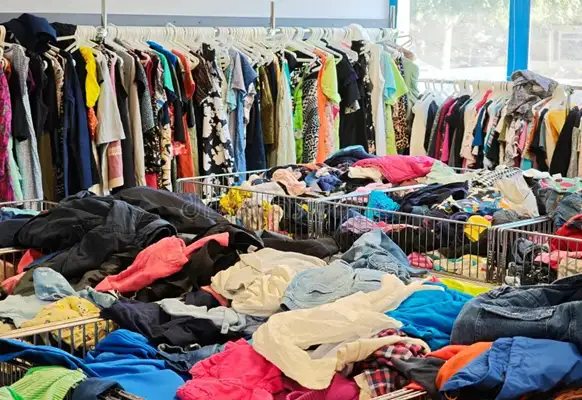
Can buying used clothes really change the fashion industry?
by Anushree Singh
WHY THIS MATTERS?
The fashion industry produces over 100 billion garments every year (UNEP, 2023) Many are worn only a few times before being discarded (Ellen MacArthur Foundation, 2017). As clothing consumption rises, so does textile waste. According to the Ellen MacArthur Foundation, the equivalent of one garbage truck of textiles is landfilled or burned every second.
Could second-hand fashion be part of the solution?
A decade ago, many consumers associated second-hand clothing with necessity rather than choice. Today, thrift stores, vintage markets, and resale platforms have become increasingly popular among younger generations. What was once considered a niche market is now a rapidly growing sector of the fashion industry. As concerns about textile waste, overconsumption, and environmental sustainability continue to rise, second-hand fashion is being promoted as an alternative to the traditional cycle of buying and discarding clothing. But is it simply a passing trend, or does it represent a genuine transformation in how we consume fashion?
Second-hand fashion helps extend the life cycle of garments.
Fashion by the Numbers
- 100+ billion garments produced annually
- Clothing production has roughly doubled since 2000
- Less than 1% of clothing material is recycled into new clothing
- Buying second-hand extends garment life and reduces waste
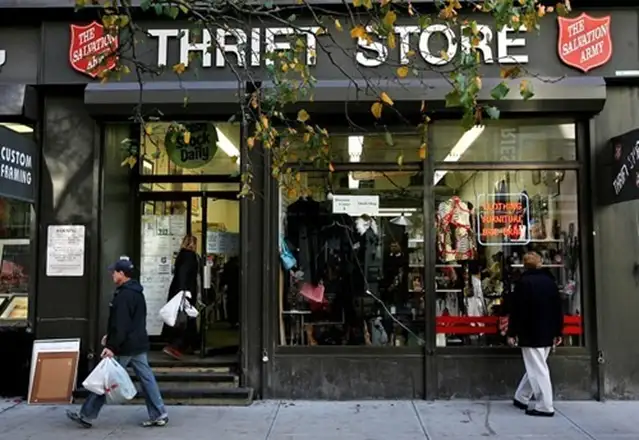
WHAT IS SECOND-HAND FASHION?
Second-hand fashion includes:
👕 Thrift stores
📱 Resale apps
♻️ Vintage markets
🛍️ Clothing swaps
Younger consumers are increasingly choosing second-hand clothing because it is:
✓ More affordable
✓ Unique and expressive
✓ Environmentally conscious
The rise of second-hand fashion reflects changing consumer attitudes toward ownership and consumption. Social media platforms have helped normalize thrifting and vintage shopping, transforming them into mainstream practices rather than budget-conscious alternatives.
Resale platforms such as Depop, Vinted, Poshmark, and ThredUp have made second-hand shopping more accessible than ever. Consumers can now browse thousands of pre-owned items from their phones, often finding unique pieces unavailable through traditional retailers.
THE ENVIRONMENTAL BENEFITS
Buying second-hand can help:
🌍 Reduce textile waste
💧 Lower water consumption
⚡ Reduce demand for new production
♻️ Extend garment lifespans
The longer clothes stay in use, the lower their environmental impact.
The fashion industry produces enormous quantities of clothing each year, while millions of garments end up in landfills or are incinerated. Extending the life of existing garments can help reduce demand for new production, conserving resources such as water, energy, and raw materials.
According to the Ellen MacArthur Foundation, keeping clothing in use for longer is one of the most effective ways to reduce fashion’s environmental impact. Every additional wear helps maximize the value of resources already invested in a garment.
By purchasing second-hand clothing, consumers participate in a more circular model of fashion that prioritizes reuse rather than replacement.
INDUSTRY IMPACT
Major brands are paying attention.
Many companies now offer:
🔄 Resale programs
🧵 Repair services
♻️ Circular fashion initiatives
Second-hand fashion is becoming part of the business model.
While some critics dismiss thrifting as a social media trend, evidence suggests that second-hand fashion is becoming increasingly integrated into the industry itself.
Major fashion brands are beginning to invest in resale programs, repair services, and circular business models. Rather than viewing second-hand fashion as competition, many companies now see it as an opportunity to meet growing consumer demand for sustainability. Brands such as Patagonia, Levi’s, and H&M have introduced repair, resale, or garment collection programs as part of broader sustainability strategies. These initiatives suggest that second-hand fashion is increasingly influencing mainstream business models.
Luxury brands have[GU1] recognized the value of resale markets, where high-quality garments can maintain relevance and value long after their initial purchase.
The growing resale economy demonstrates that consumers are becoming more interested in access, longevity, and value rather than constant replacement. The global resale market continues to expand as consumers seek more affordable and sustainable alternatives to fast fashion. Brands are increasingly launching resale and repair programs, while digital platforms have made second-hand shopping more accessible than ever before.
FINAL TAKEAWAY
Second-hand fashion alone won’t solve fashion’s sustainability challenges.
But every garment bought second-hand is one less garment that needs to be produced.
Is second-hand fashion a trend or a transformation? The answer depends on how we choose to consume.
Second-hand fashion is more than a shopping choice, it represents a shift in how we think about value, ownership, and waste.
Whether it remains a trend or becomes a lasting transformation will depend on the choices made by consumers, brands, and policymakers.
The next time you consider buying something new, it may be worth asking a simple question: could a garment that already exists serve the same purpose?
Follow GSFW for more sustainability insights.
References:
- Ellen MacArthur Foundation. (2017). A New Textiles Economy: Redesigning Fashion’s Future.
- United Nations Environment Programme (UNEP). (2023). Sustainability and Circularity in the Textile Value Chain.
- World Resources Institute. (2023). The Environmental Impact of Fashion.
- European Environment Agency. (2024). Textiles and the Environment.
ThredUp. (2025). Resale Report.
List of illustration:
Figure 1. Assorted second-hand clothing. Source: Unsplash.
Figure 2. Thrift store exterior. Source: Unsplash.
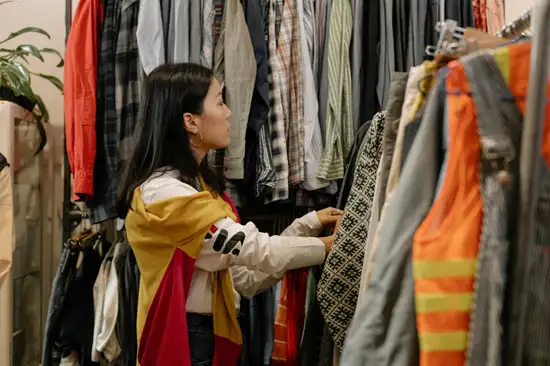
Figure 3. Shopper browsing second-hand garments. Source: Pexels.
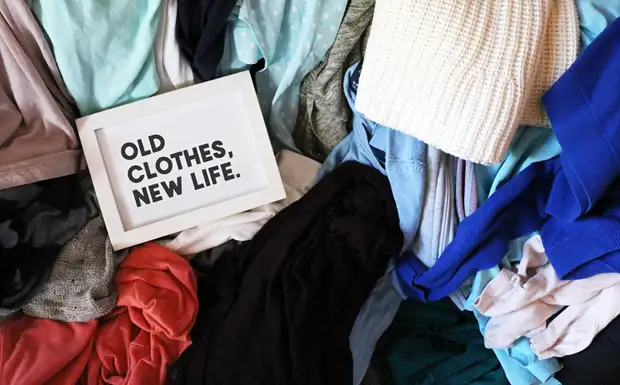
Figure 4. “Old Clothes, New Life” sustainability image. Source: Unsplash.